
Nhiều người coi mực vô hình là một công cụ lỗi thời. Nó gợi lên hình ảnh những câu đố đơn giản tuổi thơ. Tuy nhiên, nhận thức này là sai lầm sâu sắc. Công nghệ mực vô hình đã phát triển vượt bậc. Hôm nay, mực vô hình đại diện cho sự tinh tế, nền tảng xác thực công nghệ cao. Nó cung cấp một điều thiết yếu, lớp bí mật trong hệ thống an ninh đa cấp hiện đại. Vai trò không thể thay thế của nó xuất phát từ những lợi thế vốn có độc đáo.
Hiểu nguyên tắc cốt lõi: Bảo vệ bí mật
Sức mạnh cơ bản của mực vô hình nằm ở tính bí mật của nó. Người xác minh hợp pháp biết nơi để tìm. Họ cũng biết cách để lộ dấu vết. Những kẻ làm hàng giả thường không biết đến sự tồn tại của chúng. Điều này tạo ra một tuyến phòng thủ mạnh mẽ đầu tiên. Các chương trình bảo mật tinh vi sử dụng nguyên tắc này một cách thành thạo. Họ kết hợp mực vô hình để xác thực với những đặc điểm có thể nhìn thấy. Cách tiếp cận nhiều lớp này làm tăng đáng kể độ khó của việc nhân rộng.
 Mực vô hình hiện đại: Một loạt công nghệ
Đồng thời mực bảo mật bí mật không phải là một chất duy nhất. Nó bao gồm một nhóm đa dạng các công thức tiên tiến. Mỗi loại phản ứng với một kích thích cụ thể để xác minh.
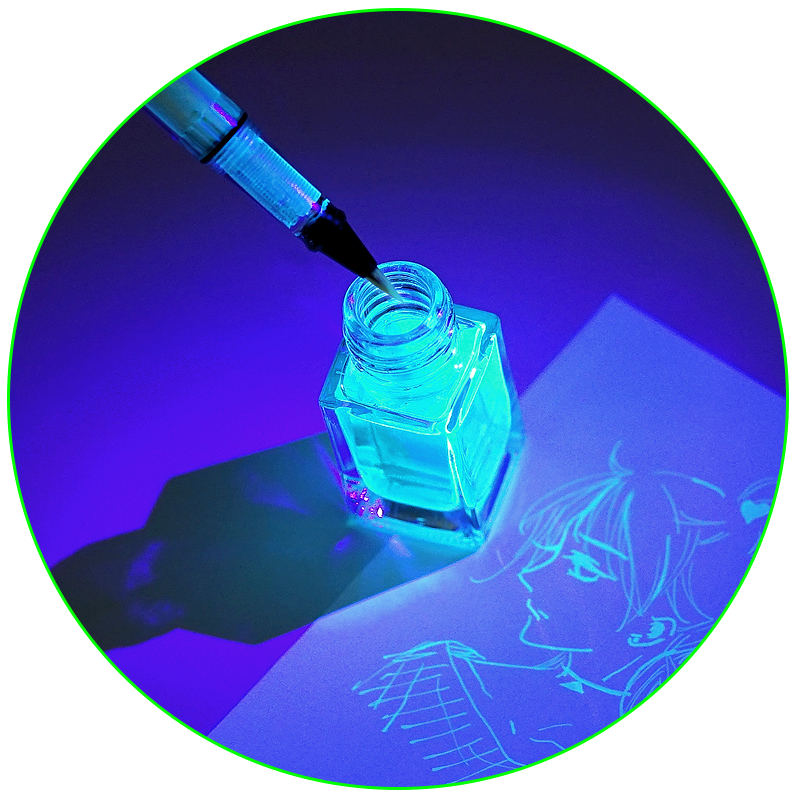
Mực vô hình kích hoạt bằng tia cực tím được công nhận rộng rãi nhất. Chúng vẫn hoàn toàn vô hình dưới ánh sáng bình thường. Ứng dụng này yêu cầu chuyên môn Mực UV vô hình máy in hoặc đánh dấu. Quá trình xác minh diễn ra ngay lập tức dưới tia UV-A tiêu chuẩn (365nm) đèn. Dấu hiệu phát ra ánh sáng rực rỡ, huỳnh quang nhìn thấy được. Những loại mực này mang lại hiệu quả chi phí tuyệt vời và dễ dàng xác minh.
Hồng ngoại (Và) Mực hoạt động trong phổ ánh sáng không nhìn thấy được. Chúng vô hình dưới cả ánh sáng tự nhiên và tia cực tím. Việc xác minh yêu cầu nguồn ánh sáng hồng ngoại và thiết bị xem hoặc máy ảnh. Điều này bổ sung mức độ bảo mật cao hơn. Chỉ những thanh tra được trang bị mới có thể xác thực mặt hàng. Mực hồng ngoại Đặc biệt khó khăn cho những kẻ làm hàng giả để phát hiện hoặc phân tích.
Mực nhiệt điện bộc lộ bản thân thông qua sự thay đổi nhiệt độ. Nhiệt độ nhẹ do ma sát hoặc bàn tay ấm làm cho vết xuất hiện. Nó biến mất một lần nữa khi làm mát. Tính năng này cho phép đơn giản, xác minh công khai không cần công cụ. Nó cũng tạo ra trải nghiệm người dùng hấp dẫn.
Mực phản ứng hóa học yêu cầu một nhà phát triển hoặc thuốc thử cụ thể. Một miếng gạc với dung dịch hóa học chính xác sẽ tương tác với mực. Sự tương tác này tạo ra sự thay đổi màu sắc hoặc dấu hiệu có thể nhìn thấy được. Phương pháp này mang lại tính bảo mật rất cao. Nhà phát triển hóa chất vẫn bị kiểm soát chặt chẽ.
Mực đọc được bằng máy chứa các thẻ hoặc thuộc tính duy nhất. Chúng chỉ có thể được phát hiện bằng máy quét chuyên dụng. Máy quét đọc một chữ ký quang phổ cụ thể hoặc phản ứng từ tính. Điều này cho phép tự động, xác thực tốc độ cao trên dây chuyền sản xuất. Nó cũng cho phép tích hợp liền mạch vào các hệ thống truy xuất nguồn gốc kỹ thuật số.
Lợi thế chiến lược trong hội nhập
Mực vô hình bảo mật vượt trội trong kiến trúc bảo mật lớp. Nó hiếm khi hoạt động một mình. Giá trị của nó nhân lên khi kết hợp với các công nghệ khác.
Hãy xem xét một tài liệu có tính bảo mật cao. Nó có thể sở hữu một hình ba chiều phức tạp có thể nhìn thấy được. Nó cũng có thể bao gồm các mẫu văn bản vi mô và dòng chữ nhỏ. Một lớp bí mật của mực vô hình để xác thực thêm độ sâu quan trọng. Kẻ làm hàng giả có thể sao chép thành công các yếu tố hữu hình. Họ có thể sẽ bỏ lỡ tính năng vô hình. Lỗi này ngay lập tức gắn cờ mục là gian lận trong quá trình kiểm tra.
Hơn nữa, những loại mực này cho phép giao thức xác minh đa cấp. Nhân viên bán lẻ có thể thực hiện kiểm tra sơ bộ bằng đèn UV. Sau đó, chuyên gia pháp y có thể áp dụng xét nghiệm hóa học. Cuối cùng, máy quét có thể xác minh mã có thể đọc được bằng máy. Mỗi bước cung cấp mức độ bảo mật leo thang. Cách tiếp cận này phù hợp với các kịch bản xác minh và ủy quyền khác nhau.
Chống lại các mối đe dọa giả mạo hiện đại
Những kẻ làm hàng giả ngày nay sử dụng công nghệ tiên tiến. Họ sử dụng máy quét và máy in màu có độ phân giải cao. Họ cũng sử dụng phần mềm đồ họa phức tạp. Những công cụ này có thể bắt chước một cách hiệu quả nhiều tính năng bảo mật có thể nhìn thấy được. Tuy nhiên, mực bảo mật bí mật đặt ra một thách thức ghê gớm.
Bản thân các loại mực là công thức độc quyền phức tạp. Thành phần hóa học chính xác của chúng là một bí mật được bảo vệ chặt chẽ. Việc tái tạo phản ứng chính xác của họ là vô cùng khó khăn. Ngoài ra, những kẻ làm hàng giả thường không thể phát hiện được nhãn hiệu để sao chép nó. Họ không biết vị trí của nó, kiểu, hoặc phương pháp kích hoạt. Cái này “bảo mật thông qua sự tối tăm” vẫn có hiệu quả cao. Nó buộc những kẻ giả mạo phải đoán mò. Việc đoán này làm tăng đáng kể rủi ro và chi phí của họ.
Ứng dụng trong các ngành quan trọng
Việc sử dụng Mực chống giả trải rộng trên nhiều lĩnh vực quan trọng. Mỗi ứng dụng tận dụng tính chất bí mật của nó để bảo vệ.
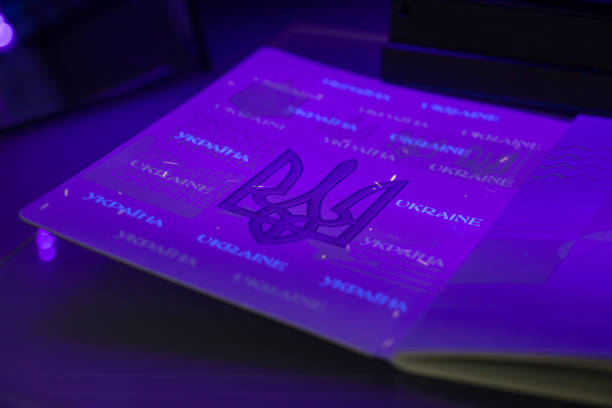
Tiền tệ và tài liệu bảo mật: Chính phủ sử dụng rộng rãi mực vô hình. Tiền giấy, Hộ chiếu, và thị thực đều kết hợp chúng. Họ cung cấp một cách nhanh chóng, phương pháp xác thực đáng tin cậy để kiểm soát biên giới và ngân hàng.
Dược phẩm: Thuốc giả là vấn nạn toàn cầu. Mực vô hình để xác thực dấu hiệu, Bao bì, hoặc chính những viên thuốc. Thanh tra chuỗi cung ứng có thể xác minh tính hợp pháp của sản phẩm. Điều này bảo vệ sự an toàn của bệnh nhân và tính toàn vẹn của thương hiệu.
Bảo vệ thương hiệu & Hàng xa xỉ: Thương hiệu giá trị cao mất tiền tỷ vì hàng giả. Nhãn đánh dấu mực bí mật, Bao bì, hoặc các sản phẩm trực tiếp. Các nhà điều tra thương hiệu và nhà bán lẻ có thể xác thực các mặt hàng một cách dễ dàng. Điều này bảo vệ doanh thu và uy tín thương hiệu một cách hiệu quả.
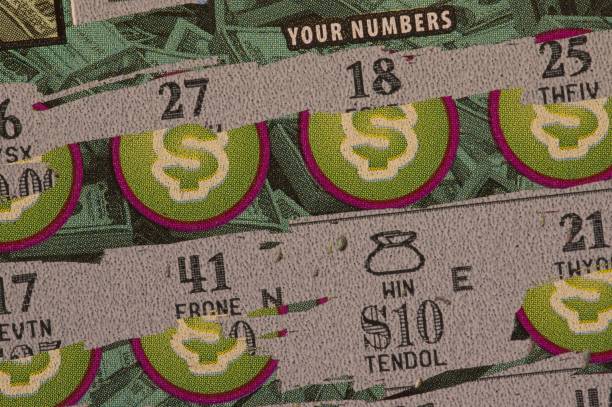
Vé sự kiện & Tài liệu: Mực vô hình chống gian lận vé cho các sự kiện lớn. Họ cũng bảo đảm các chứng chỉ, bảng điểm, và các tài liệu pháp lý. Xác minh nhanh chóng và không phá hủy.
Bộ phận công nghiệp: Ngành hàng không và ô tô sử dụng công nghệ này. Chúng đánh dấu các thành phần quan trọng để truy xuất nguồn gốc và chống chuyển hướng. Điều này đảm bảo tính toàn vẹn và an toàn của chuỗi cung ứng.
Tương lai: Mực thông minh và được kết nối
Sự tiến hóa của mực vô hình tiếp tục nhanh chóng. Tương lai hướng tới “thông minh” chức năng. Các nhà nghiên cứu đang phát triển loại mực có đặc tính động. Những loại mực này có thể thay đổi mã của chúng dưới các kích thích khác nhau. Những tiến bộ khác liên kết mực với sổ cái blockchain kỹ thuật số. Quá trình quét đã được xác minh có thể cập nhật bản ghi lịch sử sản phẩm không thể thay đổi. Điều này kết hợp bảo mật bí mật vật lý với truy xuất nguồn gốc kỹ thuật số.
Công nghệ nano cũng đóng một vai trò ngày càng tăng. Thẻ nano được mã hóa bằng dấu vân tay kỹ thuật số độc đáo có thể được nhúng vào mực. Những thẻ này cung cấp mức độ độc đáo và bảo mật tuyệt vời. Chúng hầu như không thể thiết kế ngược hoặc nhân rộng một cách kinh tế..
Phần kết luận: Một lớp bí mật không thể thiếu
Kết luận, mực vô hình bảo mật còn lâu mới lỗi thời. Đó là một lĩnh vực phát triển năng động. Sức mạnh cốt lõi của nó là cung cấp sự tin cậy, xác thực bí mật. Nó bổ sung thêm chiều sâu cần thiết cho các khung bảo mật hiện đại. Khi công nghệ làm giả tiến bộ, mực vô hình thích nghi và phát triển. Nó tích hợp hoàn hảo với cả các tính năng truyền thống và hệ thống kỹ thuật số mới.
Đối với bất kỳ chiến lược chống hàng giả toàn diện nào, bỏ qua lớp này sẽ tạo ra lỗ hổng. Mực bảo mật bí mật vẫn là một vấn đề quan trọng, thông minh, và giải pháp mang lại hiệu quả cao. Nó âm thầm bảo vệ giá trị, lòng tin, và an toàn trong nền kinh tế toàn cầu của chúng ta. Sự liên quan của nó, Vì vậy, không những bền vững mà còn ngày càng phát triển. Tương lai của việc xác thực chắc chắn sẽ chứng kiến người bảo vệ vô hình này đóng vai trò trung tâm, vai trò phức tạp.