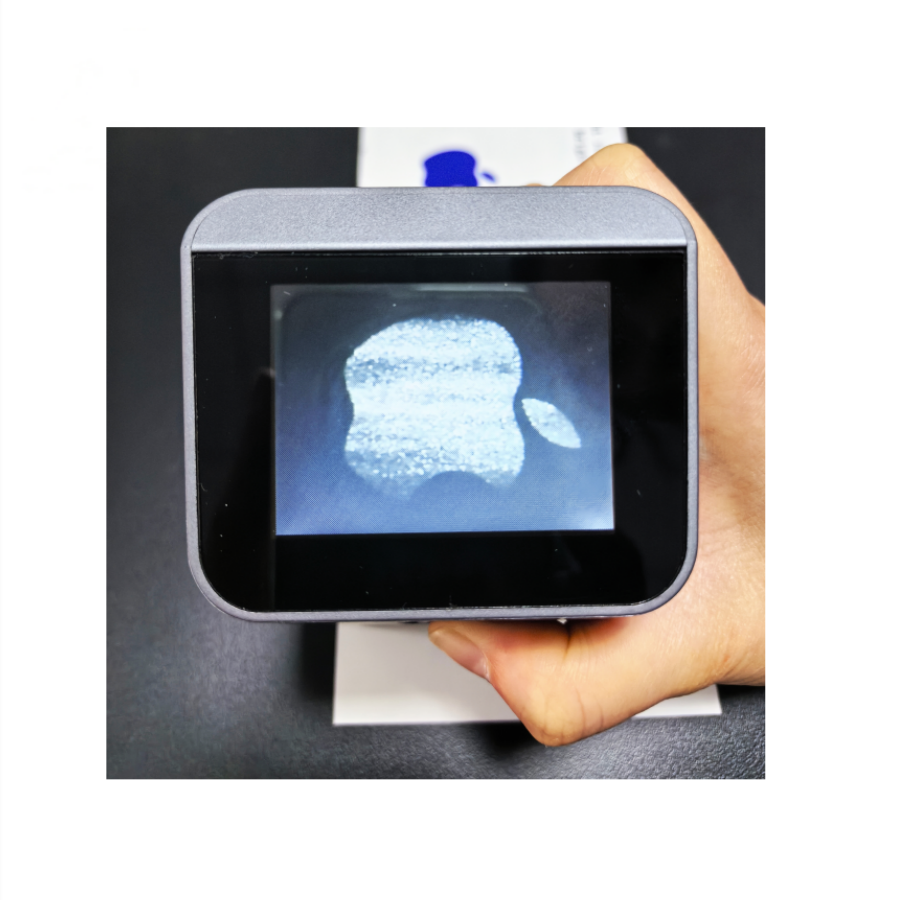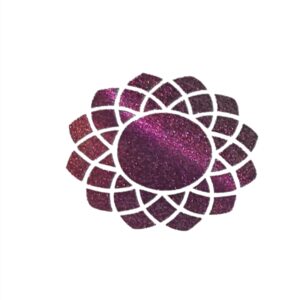

Night luminous inks hold a unique position in the world of anti-counterfeiting technology. They remain invisible in daylight, yet they glow clearly when darkness falls. This dual identity gives them unmatched value across many industries. Although the concept seems simple, the underlying science reveals a sophisticated blend of chemistry, optics, and material engineering. As markets demand stronger authentication measures, these inks have become essential tools. Their ability to hide in plain sight while offering reliable verification makes them ideal for secure packaging, official documents, and premium goods that require discreet protection.
Manufacturers now face rising pressure from counterfeiters who use advanced replication methods. Because of this threat, companies must adopt technologies that cannot be copied easily. Night luminous inks meet this requirement because their behavior depends on precise material composition and advanced production controls. When brands understand how these inks work, they can integrate them more effectively into their security strategies. Moreover, they gain insight into the science that makes these materials truly unique.
 The Science Behind Night Luminous Inks
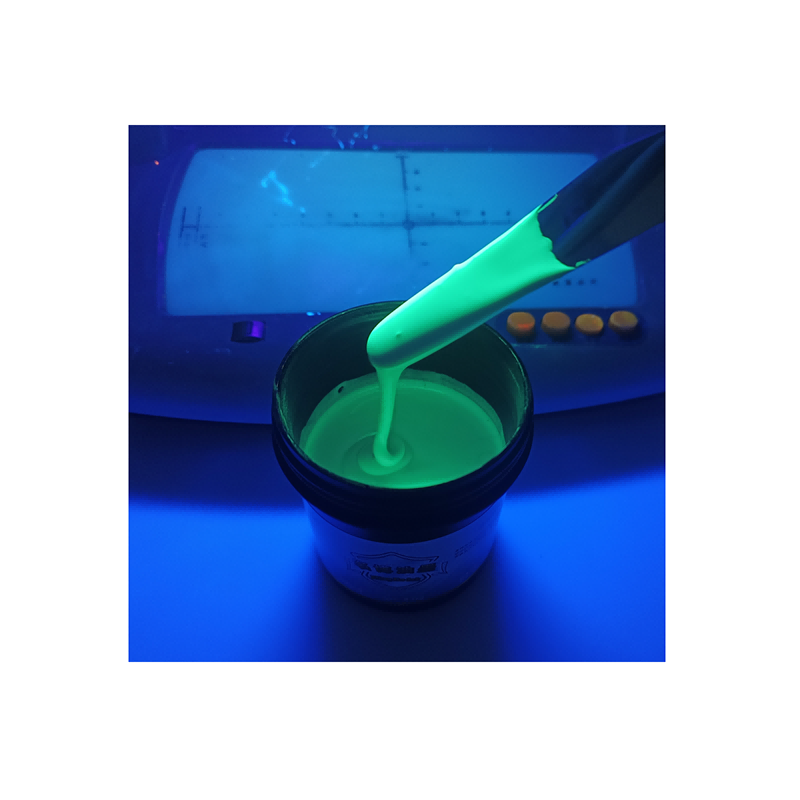
Night luminous inks rely on photoluminescent materials that absorb light and then release it slowly in darkness. They contain phosphors, rare-earth compounds, or doped crystal structures that store energy. When exposed to light, these structures absorb photons. Later, once the environment darkens, the stored energy escapes as visible light. This process creates the glow that defines night luminous inks.
Although most people associate glowing materials with decoration, the advanced versions used in security printing follow strict purity standards. Their crystalline structure must remain stable under intense pressure, varying temperatures, and long-term exposure to light. The stability ensures consistent glowing intensity. Without this stability, the ink would degrade, lose brightness, or display uneven patterns. Therefore, the internal structure is crucial for creating reliable results.
More importantly, the specific wavelengths emitted by these materials allow for precise verification. Some formulations glow blue or green, while others release red or yellow light. Manufacturers use this range to create multi-layered authentication systems. Because the emission spectrum depends on the exact chemical composition, counterfeiters struggle to imitate the glow accurately.
The Hidden Identity: Why These Inks Stay Invisible in Daylight
Night luminous inks remain invisible because their optical properties differ from standard pigments. Unlike common coloring agents, the particles inside these inks do not reflect strong light wavelengths. Instead, they allow visible light to pass through. As a result, the printed area blends seamlessly with the base material. Only when external lighting changes does the ink reveal its hidden identity.
This invisible behavior is not accidental. It requires precise formulation and high-quality raw materials. The particles must remain small enough to hide from normal vision but also large enough to store energy effectively. Manufacturers control particle size distribution carefully. If the particles become too large, they create unwanted haziness. If they become too small, they lose brightness. Therefore, balancing these factors demands advanced equipment and strict quality control.
This invisibility also enhances anti-counterfeiting value. Counterfeiters cannot copy a feature they cannot see. Even if they suspect the presence of night luminous inks, they cannot replicate the formulation without knowing the exact composition. This invisibility has become a powerful weapon in the ongoing battle against unauthorized duplication.
The Visible Identity: How Darkness Unlocks the Glow
The glow that appears in darkness represents the second identity of night luminous inks. Once external light disappears, the internal energy stored within the phosphors becomes visible. This glow appears stable and predictable, allowing inspectors to verify authenticity quickly.
Because of their controlled emission spectrum, the glow pattern remains consistent across all printed items. The inks can also be engineered to release multiple colors. Brands often use layered printing techniques to create complex patterns visible only under specific conditions. As inspectors check the item in darkness or under UV light, the glow reveals hidden codes, micro-patterns, or fine details. This verification method remains simple for legitimate users while staying extremely difficult to replicate.
Moreover, the glow intensity can be customized. Some industries prefer strong, long-lasting brightness. Others want a faint glow that reveals discrete information. The flexibility of these inks supports many security strategies. The glow duration also depends on the chosen phosphor. Long-afterglow materials can emit light for several hours, while shorter versions offer quick but controlled flash signals.
Precision Engineering Behind Reliable Anti-Counterfeiting
Night luminous inks require more than phosphors. To produce stable results, manufacturers must integrate binders, solvents, dispersants, stabilizers, and protective additives. Each component plays a crucial role. The binder ensures adhesion, while the solvent provides smooth flow. The dispersant keeps particles evenly separated to prevent clogging or clumping. Stabilizers protect against UV degradation, moisture, and oxidation.
Because these inks perform a security function, they must endure harsh conditions. They face friction during packaging, moisture in logistics, and heat during storage. Without proper formulation, even high-quality phosphors would fail. Therefore, producers rely on advanced testing procedures, including accelerated aging tests and spectral stability tests. These evaluations ensure that the inks maintain their identity over time.
When industries depend on night luminous inks for authentication, reliability becomes crucial. A verification feature that degrades quickly cannot protect brands effectively. Reliable inks safeguard products throughout their lifespan, which strengthens trust among distributors and consumers.
Dual Identity and Its Role in Anti-Counterfeiting Systems
Night luminous inks function best when integrated within multi-layered security systems. Their invisible identity prevents casual observation. Their glowing identity provides a fast verification channel. Together, the two identities create strong defense mechanisms.
Brands often combine these inks with other security components. They may print microtext, QR codes, batch numbers, or serial identifiers using night luminous inks. Under normal conditions, the packaging looks unmarked. Once scanned under darkness or UV light, the hidden information appears. This sudden visibility confirms the product’s origin and ensures tamper evidence.
Banks and government agencies also use these inks. They print encrypted patterns on important documents to prevent forgery. Because the glow behavior is difficult to duplicate, even skilled counterfeiters fail to imitate the exact spectral output. This dual identity, therefore, forms a natural security layer that complements holograms, watermarks, and UV-reactive inks.
 Industrial Applications: Why Many Sectors Choose Night Luminous Inks
Although night luminous inks first appeared in consumer novelty items, their modern role extends far beyond decoration. Today, industries rely on them for secure packaging, product tracking, and brand protection. Their dual identity suits sectors where discrete features are essential.
Pharmaceutical Packaging
The pharmaceutical industry faces constant counterfeiting threats. Night luminous inks help identify genuine products without interfering with medical regulations. They allow inspectors to authenticate items quickly during distribution.
Luxury Goods
Brands use these inks to protect their high-value products. Invisible marks help prevent unauthorized resale and confirm legitimate sourcing.
Electronics
Manufacturers print codes inside devices, ensuring traceability without exposing intellectual property to the public.
Government Documents
Security printing uses night luminous inks to protect passports, certificates, and currency. Their stability and precise emission spectrum make them suitable for high-level verification.
High-Security Labels
These inks help verify industrial equipment, aerospace parts, and automotive components. Their glow can reveal hidden serial numbers or traceability features.
Material Innovation and the Future of Night Luminous Inks
As counterfeiters adopt advanced technologies, night luminous inks continue to evolve. Modern formulations now use rare-earth materials with higher purity levels. These materials produce stronger brightness and longer glow durations. Emerging research explores nano-engineered phosphors that offer more precise control over emission colors.
Furthermore, companies now develop inks that react to multiple light triggers. Some glow under visible light, while others respond only to UV or infrared. This layered behavior allows brands to build complex verification systems. The newest versions also resist environmental challenges more effectively. They withstand chemical exposure, humidity, and sunlight without losing intensity.
Digital printing systems also support these inks. Inkjet-compatible formulations have begun appearing in the market. This compatibility increases printing flexibility and expands application possibilities. As production technologies advance, night luminous inks will integrate with modern automation systems.
Why Invisibility Strengthens Brand Protection
Invisibility is a powerful asset in anti-counterfeiting strategies. Counterfeiters cannot replicate features they cannot observe. Night luminous inks remain undetectable until activated under controlled conditions. This behavior creates an information gap that protects brand identity.
Moreover, invisibility minimizes visual interference. Companies can maintain clean packaging designs while adding strong security features. The ink remains hidden from consumers but visible to inspectors. As a result, brand aesthetics remain intact. This hidden layer of protection strengthens both product appearance and security performance.
In addition, brands can choose different glow wavelengths to create exclusive verification patterns. Because these wavelengths depend on exact chemical compositions, counterfeiters cannot guess their structure. This uniqueness strengthens each brand’s defense system.
Why Darkness Matters: The Psychological Effect of Glow-Based Verification
Glow-based verification creates a strong psychological impact. The sudden appearance of hidden information increases trust. Inspectors feel confident when the glow appears exactly as expected. This emotional reassurance supports quality control and enhances brand reputation.
Darkness also provides a controlled environment for verification. The glow becomes sharp and easy to observe. The contrast between invisibility and brightness creates an unmistakable signal. This big visual difference reduces the chance of error and speeds up authentication procedures.
Because authenticity checks occur quickly, businesses reduce inspection time and improve logistic efficiency. Darkness, therefore, plays both a psychological and functional role in the validation process.
Balancing Aesthetics, Security, and Functionality
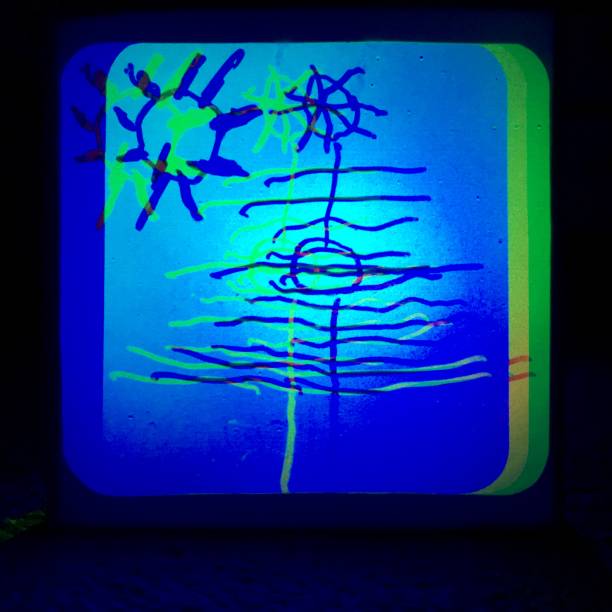
Night luminous inks strike a unique balance between beauty and utility. They stay unseen until necessary. When activated, they produce vibrant light that adds artistic value. Some brands use this feature to enhance package design. While the primary purpose focuses on security, the glow can also enrich the user experience.
However, the balance requires careful formulation. The ink must glow consistently without affecting structural integrity. Clear binders and stable modifiers ensure that the printed layers remain durable. When used correctly, night luminous inks enhance both visual appeal and security strength.
This balance makes them suitable for industries that value discreet beauty. Premium products often rely on minimalist packaging. These inks support that aesthetic while offering strong protection.
Conclusion: The Dual Identity that Strengthens Modern Anti-Counterfeiting
Night luminous inks offer unique advantages because they live two separate identities. In daylight, they remain invisible and protect the product’s appearance. In darkness, they reveal hidden information with a clear and stable glow. This transformation forms the foundation of their anti-counterfeiting value.
Their scientific structure ensures controlled brightness, precise color, and long-term stability. Their engineered formulation supports harsh industrial environments. Their versatile applications extend across pharmaceuticals, electronics, luxury goods, security printing, and government documents. Their ability to integrate with multi-level verification systems makes them essential for modern brand protection.
As counterfeit threats evolve, night luminous inks will continue to develop. Their dual identity provides both secrecy and clarity. This combination makes them one of the most reliable tools in the security ink industry. When companies embrace this technology, they protect their products and strengthen trust across global markets.