
Consumers seek instant verification. Brands demand unwavering security. Coin scraping ink perfectly bridges this divide. This specialized material offers a simple user experience. It simultaneously presents an immense technical barrier to forgers. The underlying science is both elegant and complex. It hinges on a precise balance of chemistry, physics, and engineered vulnerability. Understanding this balance reveals why genuine coin-scraping ink is a premier security feature.
The Core Paradox: Engineered Vulnerability
The defining characteristic seems contradictory. The ink must fail easily under correct verification. It must also resist all other forms of attack. This is not a flaw. It is meticulously engineered controlled failure. The “easy to scratch” property is a deliberate, narrow pathway for authorized interaction. A coin provides the exact correct key. This interaction is designed to be intuitive and immediate for the end-user. Conversely, the “hard to fake” property defends against all unauthorized duplication methods. These include chemical replication, photographic copying, and transfer techniques. This dual nature creates a robust yet user-friendly security layer.
Decoding the “Easy to Scratch” Mechanism
The effortless scratching experience is a result of sophisticated formulation. It is not simple fragility. Several interconnected factors enable this clean, smooth removal.
Firstly, specialized binder chemistry is critical. The ink film uses a carefully designed weak binder system. This binder has low cohesive strength and specific adhesive properties. It bonds sufficiently to the substrate during printing and curing. However, it readily undergoes cohesive fracture under localized shear stress. A coin’s edge applies this focused stress perfectly. The binder then allows the entire ink layer to release as a unified sheet.
Secondly, precise pigment and filler selection ensures performance. Manufacturers incorporate non-abrasive pigments and platelet-shaped fillers. These components reduce internal friction within the dried ink film. They facilitate smooth delamination. The formulation avoids hard, particulate materials. Such materials would cause dusting or incomplete removal. The result is a satisfying, clean scratch-off experience.
Thirdly, controlled film thickness and curing are essential. The ink is applied within a strict micron-range thickness. This optimized thickness provides enough body for clean lifting. It also prevents undue resistance. The curing process uses specific wavelengths or temperatures. This process sets the ink without creating excessive cross-linking. Excessive cross-linking would make the film too tough and rubbery. Proper curing delivers the desired brittle yet cohesive fracture profile.

The “Hard to Fake” Fortress: Multi-Layered Security
Forgers face a formidable challenge. They must replicate not just the ink’s appearance. They must also duplicate its unique mechanical and chemical behaviors. Authentic coin scraping ink integrates multiple covert and overt security elements.
The formulation itself is a closely guarded secret. It is a proprietary blend of resins, pigments, solvents, and additives. Reproducing the exact scratch behavior requires reverse-engineering this complex system. Even minor deviations in component ratio alter performance dramatically. The ink might then peel poorly or require excessive force. These deviations alert users to a forgery immediately.
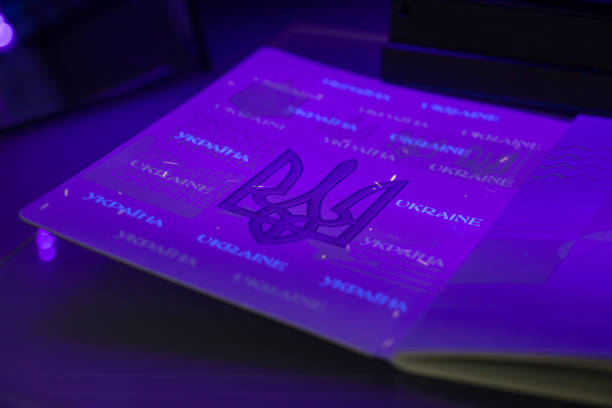
Often, the ink carries specialized functional pigments. These can include photochromic or thermochromic materials. The ink might change color when scratched or warmed by friction. It could also contain invisible fluorescent markers. These markers only appear under UV light verification. This adds a second, covert authentication layer. A forger might replicate the scratch-off layer with difficulty. They will almost certainly fail to include the correct covert features.
The printing process introduces additional hurdles. High-security scratch-off inks often require specific printing methods. These include silk-screen or gravure printing. These methods deposit the exact required film thickness and texture. They also allow integration with underlying graphics or text. This creates a total security structure. Attempting replication with common digital or offset printing fails. It cannot achieve the necessary film properties or integration.
Substrate bonding is another critical factor. The ink is engineered for specific substrates. These substrates include coated paper, PET film, or PVC cards. The adhesion is tailored precisely. It is strong enough for normal handling. It is weak enough for clean coin-activated removal. A counterfeiter using a different substrate will get incorrect adhesion. The ink may not stick well. It might also scratch off with a different, gummy residue.
Mingbo’s Engineering Philosophy: Balancing the Equation
Creating this ink requires deep expertise. Manufacturers like Mingbo must master the equilibrium. Every formulation decision impacts both sides of the paradox. A change improving scratchability might weaken security. An additive boosting chemical resistance might hinder clean removal.
Therefore, rigorous testing protocols are mandatory. Quality checks go far beyond color matching. They involve precise measurement of scratch force using calibrated instruments. Technicians assess the removed ink’s morphology. Is it a clean sheet or a crumbly mess? They test adhesion with standardized peel tests. They also verify the performance of any covert features consistently. Environmental testing is also crucial. The ink must perform reliably across various temperatures and humidities. It cannot become gummy in summer heat or brittle in winter cold.
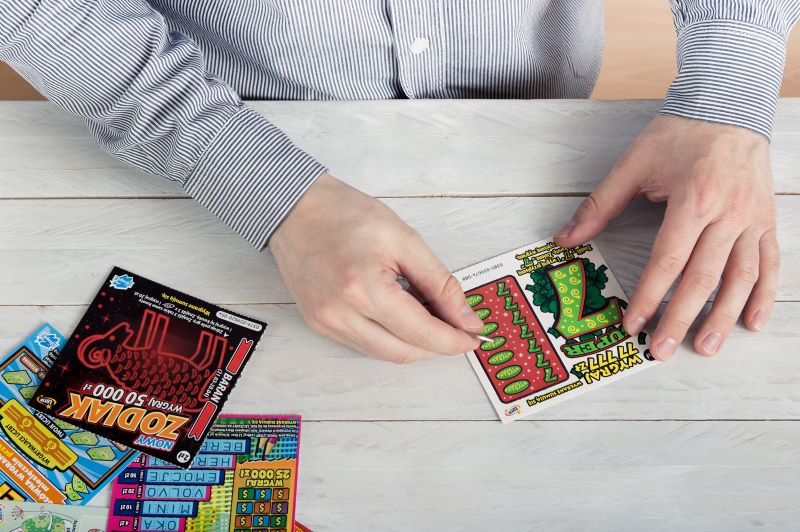
Furthermore, customization is key for different applications. The ink for a lottery ticket differs from that on a phone card. A promotional card has different needs than a high-value document. Security levels and scratch experiences are tailored accordingly. A supplier must provide this spectrum of solutions. They must understand the specific threat model for each product type.
The Result: Unmatched Brand and Consumer Protection
Implementing authentic coin scraping ink delivers powerful advantages. It builds instant consumer trust through tactile verification. This positive interaction enhances brand perception. It actively deters counterfeiters by raising complexity and cost. The specialized materials and knowledge required form a significant barrier. It also provides a clear, binary verification method for inspectors. There is no need for complex tools. Just a simple coin.
In conclusion, the magic of coin scraping ink lies in controlled duality. Its ease of use is a sophisticated chemical trick. Its security is a multifaceted defensive shield. This combination makes it an enduringly popular and effective choice. It answers the core needs of modern brand protection and consumer engagement perfectly.
Choose a supplier that masters this delicate balance. Seek a partner with proven formulation expertise and rigorous production controls. Your brand’s integrity deserves the protection of genuine, high-performance security ink. Ensure every scratch reveals authenticity and builds confidence.