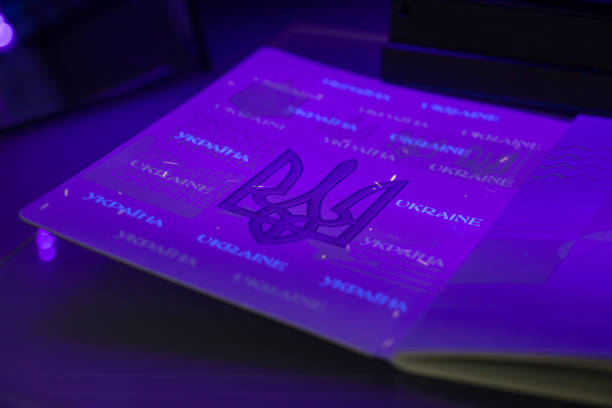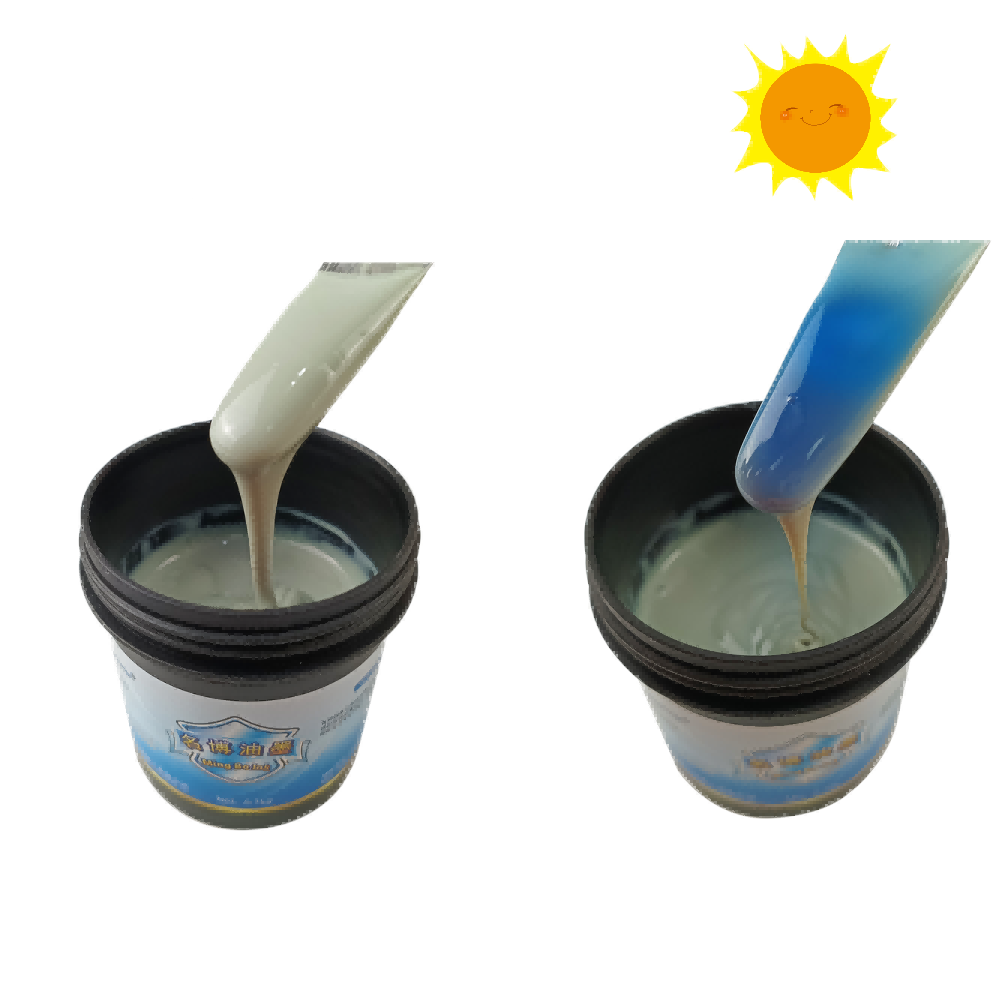


Choosing the right printing method is vital for security applications. Different techniques interact uniquely with specialized UV security inks. Therefore, your choice affects both the visual quality and the level of protection. This guide compares four primary printing processes for anti-counterfeiting. We help you select the most efficient path for your secure documents or packaging.
1. Comparing the Four Printing Powerhouses
Each process offers a specific balance of speed, detail, and ink density. Use this table to evaluate the technical fit for your UV security inks.
| Process | Suitability | Core Advantage | Main Limitation |
| Offset | Excellent | High Precision & Speed | Requires UV Offset Press |
| Flexo | Good | Perfect for Web Paper | Slightly Larger Dots |
| Screen | Good | Thick Layers & Glow | Slower Production Speed |
| Inkjet | Flexible | Variable Data Capability | Needs Adhesion Testing |
2. UV Offset Printing: The King of Precision
Offset printing remains the gold standard for high-volume security documents. It uses a series of rollers to transfer UV security inks with extreme accuracy.
The Detail Advantage
This method produces the sharpest lines and the finest micro-text. Consequently, it is very difficult for counterfeiters to replicate the quality. Furthermore, the high-speed output keeps your unit costs low. Therefore, it is the best choice for banknotes and official certificates. However, you must ensure your equipment features a dedicated UV curing system.
3. UV Flexo Printing: The Web-Fed Specialist
Flexographic printing is the preferred choice for labels and flexible packaging. It utilizes flexible relief plates to apply UV security inks onto various substrates.
Efficiency for Continuous Rolls
Flexo works beautifully on long rolls of paper or plastic film. Consequently, it integrates perfectly into modern high-speed labeling lines. Furthermore, it handles various material types without losing ink adhesion. Therefore, it provides a reliable solution for security labels on consumer goods. You gain consistent results across millions of impressions.
4. UV Screen Printing: The Master of Bold Effects
Screen printing excels when you need a heavy, tactile layer of ink. It forces UV security inks through a fine mesh onto the surface.
Maximum Fluorescent Impact
This process delivers a much thicker ink film than other methods. Consequently, the fluorescent glow under UV light is significantly brighter. Furthermore, it creates a physical texture that users can feel with their fingers. Therefore, it adds a powerful layer of “touch and see” security. However, the production speed is much slower than offset or flexo.
5. UV Inkjet Printing: The Digital Future
Digital inkjet technology allows for “Variable Data Printing” (VDP) at high speeds. It sprays tiny droplets of UV security inks directly onto the material.
Personalized Security Codes
You can print unique serial numbers or QR codes on every single item. Consequently, each product becomes individually traceable across the global supply chain. This level of customization is impossible with traditional plates. Therefore, it is the ultimate tool for modern brand protection. However, you must perform strict adhesion tests on non-porous surfaces.
Conclusion: Strategic Selection for Total Protection
Selecting a printing process is a critical part of your security strategy. You must match the technology to your specific security goals.
-
Choose Offset for high-detail, high-volume official documents.
-
Choose Flexo for efficient, continuous security labeling.
-
Choose Screen for bold, glowing, and tactile features.
-
Choose Inkjet for unique tracking and variable data.
A well-chosen method ensures your UV security inks perform at their peak. Protect your brand with the right combination of ink and machinery. Experience the peace of mind that comes from superior anti-counterfeiting technology. Your documents deserve the highest level of professional printing care.